
Which frozen products do you offer for Angola?
Wild-caught fish (horse mackerel or carapau, mackerel or cavala, sardinella, herring, hake), beef offal (liver, kidneys, hearts, tripe, tails, lips, feet) and milk powder in 25 kg bags.
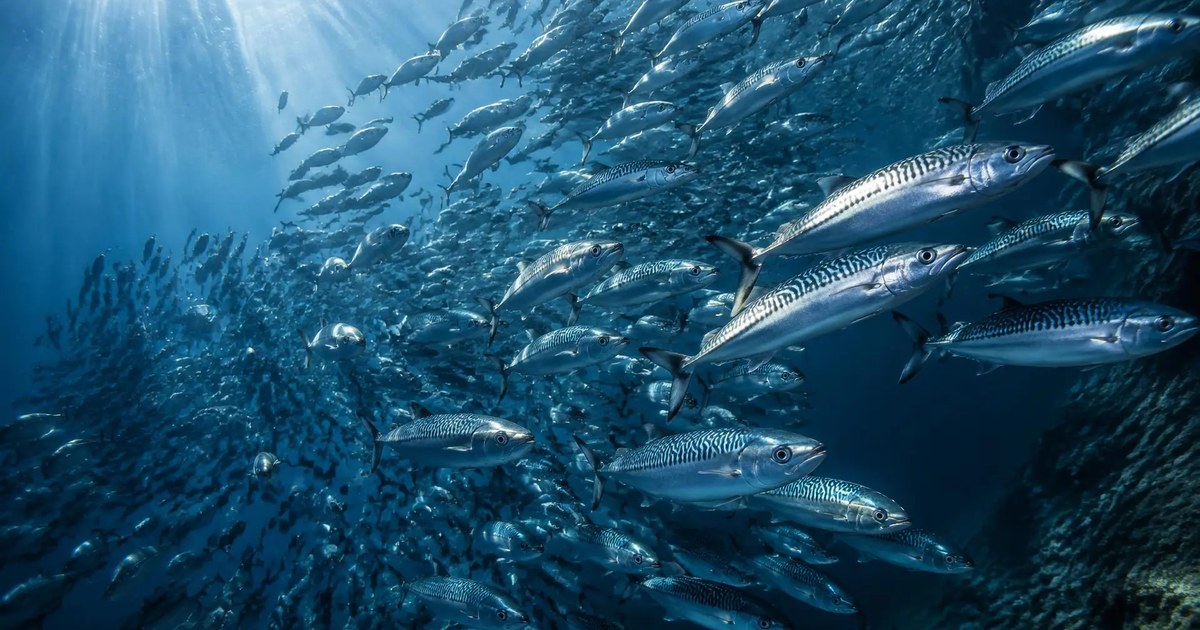
ATC Group, a Warsaw-based trading company, offers Angolan importers and wholesalers full containers of frozen fish, beef offal and milk powder. We buy from EU-approved plants and selected fisheries and suppliers, and ship in 40ft reefer containers to Luanda or Lobito. We quote CFR, because Angolan law requires imports to be insured with an insurer authorised in Angola. We obtain the loading certificate before loading and send all documents at departure.
| Family | Most requested products | Origin | Container | Detailed page |
|---|---|---|---|---|
| Frozen horse mackerel (carapau) | Atlantic horse mackerel (Trachurus trachurus), 16+ to 25+ cm; jack mackerel (Trachurus murphyi), 300–900 g+ | North-East and Central-East Atlantic; South-East Pacific (Chile, Peru) | 40' reefer at -18 °C, about 26 t net (25–27 t depending on product and packing), 20 or 30 kg cartons | Frozen Atlantic horse mackerel |
| Frozen mackerel (cavala) | Atlantic mackerel (Scomber scombrus), Atlantic chub mackerel (Scomber colias), Pacific chub mackerel (Scomber japonicus) | North-East and Central-East Atlantic; Chile, Peru, China, Japan | 40' reefer at -18 °C, about 26 t net (25–27 t depending on product and packing), 20 kg cartons | Frozen mackerel |
| Other wild-caught fish | Sardinella (Sardinella aurita), herring (Clupea harengus), Pacific hake (Merluccius gayi) | North-East and Central-East Atlantic; South-East Pacific | 40' reefer at -18 °C, about 26 t net (25–27 t depending on product and packing) | Frozen sardinella |
| Frozen beef offal | Liver, kidneys, hearts, tripe (rumen), tails, lips, feet (burnt or bleached) | EU and South America | 40' reefer at -18 °C, about 26 t net (25–27 t depending on product and packing) | Frozen beef liver |
| Milk powder | Skimmed milk powder (SMP), full cream milk powder, fat filled milk powder (FFMP), in 25 kg bags | EU | Dry container: 20' 16–18 t; 40' 24–25 t (SMP) | Skimmed milk powder |
No pork, poultry or tilapia: since 26 June 2026, the import licence for pork, poultry meat and tilapia depends on buying at least 20 % of the quantity from Angolan producers. Chicken feet and paws are banned by the 2026 customs tariff. For Angola we therefore offer wild-caught fish, beef offal and milk powder.
Buyer's guide: frozen mackerel and horse mackerel for West Africa.
| Item | Angola |
|---|---|
| Allowed products | Fish, beef, offal and milk powder: allowed, under non-automatic licensing. Pork, poultry meat and tilapia: licence subject to buying at least 20 % from national producers (since 26/6/2026). Chicken feet and paws: banned. Fish imports limited according to consumption needs. |
| Authorities | Ministry of Industry and Commerce: REI and import licences. Veterinary Services Institute (ISV): sanitary import permit for animal products. National Shippers' Council (CNC): loading certificate. AGT (customs): clearance. |
| To obtain before shipment | By the importer: REI; import licence (valid 120 days, proforma accepted in English or French); ISV permit (60 days, one shipment). By the exporter: loading certificate at the loading port. |
| Insurance | Imports insured with insurers authorised in Angola; bought FOB, CFR or similar. |
| Documents on arrival | Origin health certificate, certificate of origin, invoice, packing list, bill of lading, loading certificate, licence and sanitary permit. |
| Controls | Pre-shipment inspection: no longer named in the 2023 rules, still mentioned by some carriers; confirmed by the importer and its clearing agent. |
| Typical port clearance time | Confirmed with your clearing agent. Reefer free time is short. |
| Duties and taxes | Set by the Angolan customs tariff; amount confirmed by the importer and its clearing agent. |
This reflects published regulation; the importer and their clearing agent confirm current requirements before each loading.
See also: How to buy from ATC Group.
Wild-caught fish (horse mackerel or carapau, mackerel or cavala, sardinella, herring, hake), beef offal (liver, kidneys, hearts, tripe, tails, lips, feet) and milk powder in 25 kg bags.
They are Angolan market names: carapau for horse mackerel, cavala for mackerel, lambula for round sardinella (Sardinella aurita). Our offers always state the species and its Latin name.
No. Since 26 June 2026, Executive Decree 130/26 makes the import licence for pork and poultry meat depend on buying at least 20 % of the quantity from Angolan producers. Chicken feet and paws are banned by the 2026 customs tariff. We do not offer these products for Angola.
No. Tilapia is under the same 20 % local purchase rule. For Angola we offer wild-caught fish only.
Registration in the REI, an import licence, and the sanitary permit of the Veterinary Services Institute for products of animal origin. For beef, offal, fish and milk powder, the licence is non-automatic: the importer first consults the Angolan market. The current procedure is confirmed by the importer and its clearing agent.
Presidential Decree 205-A/19 requires imports to be insured with insurers authorised in Angola, and bought FOB, CFR or on other terms without foreign insurance. So we pay the freight, and the importer insures the cargo in Angola.
It is the certificate of the National Shippers' Council, mandatory for sea freight to Angola. We obtain it at the loading port before loading, and its number is shown on the bill of lading.
The 2023 rules no longer name it, but some carriers still mention it. It is confirmed by the importer and its clearing agent. We arrange SGS or Bureau Veritas inspection if you request it.
The origin health certificate, certificate of origin, invoice, packing list, bill of lading and loading certificate, plus the proforma invoice for the licence. We send them at loading.
Luanda and Lobito.
About 21–25 days from Le Havre, Antwerp or Rotterdam on a direct service, plus feeder time from the Baltic. The exact transit is stated in each offer.
One full 40ft reefer container. One container can combine several products, within the importer's licence. For milk powder, the minimum is one 20' dry container.