Which frozen fish do you supply for Nigeria?
Mackerel (titus), horse mackerel (kote), herring (shawa) and hake (panla), plus sardinella and bullet tuna on request. Wild-caught fish only, in full 40ft reefer containers.

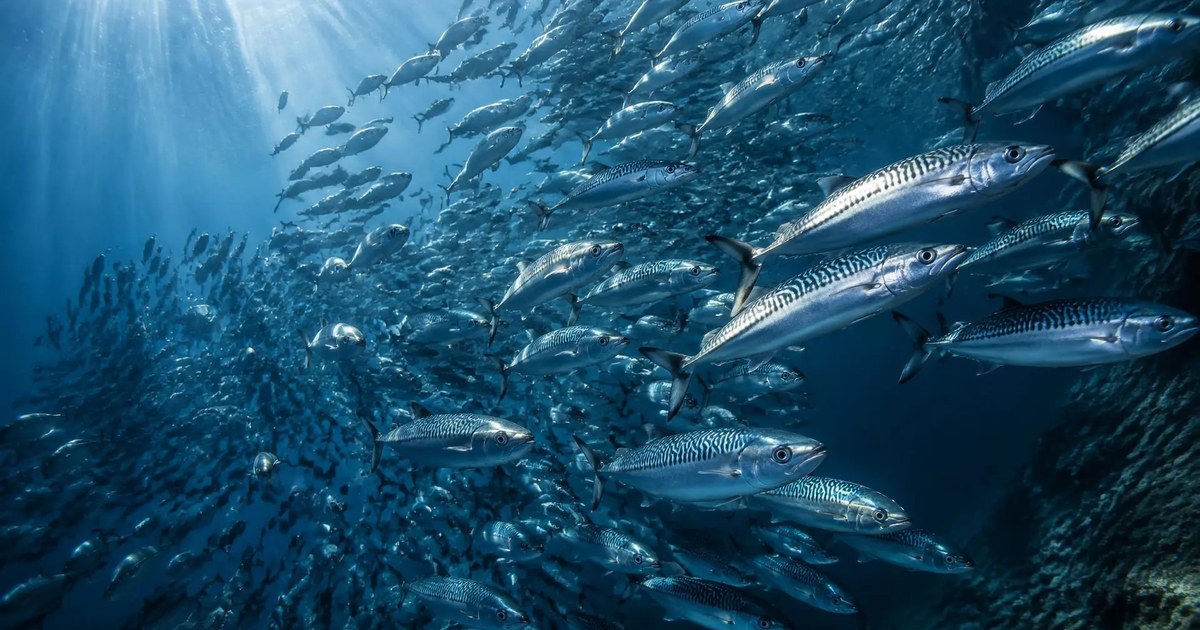
ATC Group, a Warsaw-based trading company, offers Nigerian importers and wholesalers full containers of frozen fish: mackerel (titus), horse mackerel (kote), herring (shawa) and hake (panla). For Nigeria we offer wild-caught fish only. We buy from selected fisheries and plants and ship in 40ft reefer containers to Apapa, Tin Can Island or Onne. Every offer states the species, the Latin name, the size and the tonnage. We supply the documents the importer needs for its Form M and customs clearance.
| Family | Most requested products | Origin | Container | Detailed page |
|---|---|---|---|---|
| Frozen mackerel (titus) | Atlantic mackerel (Scomber scombrus), 200–600 g; Atlantic chub mackerel (Scomber colias), 16+ to 25+ cm; Pacific chub mackerel (Scomber japonicus), 100–900 g+ | Norway, Faroe Islands, Iceland, Scotland, Ireland; Morocco, Mauritania; Chile, Peru, China, Japan | 40' reefer at -18 °C, about 27 t (20 kg cartons) | Frozen fish to Nigeria |
| Frozen horse mackerel (kote) | Atlantic horse mackerel (Trachurus trachurus), 16+ to 25+ cm; jack mackerel (Trachurus murphyi), 300–900 g+ | North-East and Central-East Atlantic; South-East Pacific (Chile, Peru) | 40' reefer at -18 °C, about 26 t net (25–27.5 t depending on product) | Frozen fish to Nigeria |
| Frozen herring (shawa) | Atlantic herring (Clupea harengus), whole round, 150–200 g, 200–300 g, 300 g+ | North-East Atlantic | 40' reefer at -18 °C, about 26 t net, 20 or 30 kg cartons | Frozen fish to Nigeria |
| Frozen hake (panla) | Pacific hake (Merluccius gayi), whole round, semi-IQF, up to 1 kg and 1 kg+ | South-East Pacific, landed in Ecuador | 40' reefer at -18 °C, 10 kg cartons, tonnage stated in the offer | Frozen fish to Nigeria |
| Other wild-caught fish, on request | Sardinella (Sardinella aurita), bullet tuna (Auxis thazard) | Central-East Atlantic; South-East Pacific | 40' reefer at -18 °C, about 26 t net | Frozen fish to Nigeria |
unprocessed poultry, pork and beef are on Nigeria's import prohibition list. Frozen farmed fish is not allowed either. For Nigeria we offer wild-caught frozen fish only.
Buyer's guide: frozen mackerel and horse mackerel for West Africa.
| Item | Nigeria |
|---|---|
| Authorities | Department of Fisheries and Aquaculture (Federal Ministry of Marine and Blue Economy): fish import licences and allocations. NAFDAC: authorisation to open Form M for frozen fish, food control. Nigeria Customs Service: PAAR, clearance and destination inspection. NAQS: sanitary measures for aquatic resources. |
| To obtain before shipment | By the importer: fish import licence and allocation; NAFDAC authorisation to open Form M (valid allocation attached, about 9 working days for a single item, expires on 31 December); electronic Form M opened through an authorised dealer bank before shipment, with proforma invoice and marine insurance certificate. |
| Documents on arrival | Origin health certificate, certificate of origin, invoice, packing list, bill of lading, Form M; documents in English. |
| Controls | PAAR issued by Customs (value, classification, duty); destination inspection by the Nigeria Customs Service; NAFDAC check after clearance (at least half of the shelf life remaining at inspection, according to USDA). |
| Typical port clearance time | Confirmed by the importer and its clearing agent. Also allow for berth waiting time, which varies by terminal. |
| Duties and taxes | Calculated by Customs on the PAAR; amount confirmed by the importer and its clearing agent. |
This reflects published regulation; the importer and their clearing agent confirm current requirements before each loading.
Mackerel (titus), horse mackerel (kote), herring (shawa) and hake (panla), plus sardinella and bullet tuna on request. Wild-caught fish only, in full 40ft reefer containers.
They are Nigerian market names: titus for mackerel, kote for horse mackerel, shawa for herring, panla for hake. "Titus" can mean Atlantic mackerel or chub mackerel: our offers always state the species and its Latin name.
No. Unprocessed poultry, pork and beef are on Nigeria's import prohibition list. For Nigeria we offer fish only.
No. Nigerian policy does not allow imports of frozen farmed fish, and NAFDAC restated in 2024 that frozen catfish imports are banned. We offer wild-caught fish only.
A fish import licence and allocation from the Department of Fisheries and Aquaculture, NAFDAC's authorisation to open Form M, then Form M opened through its bank. The current procedure is confirmed by the importer and its clearing agent.
The origin health certificate, certificate of origin, invoice, packing list and bill of lading, plus the proforma invoice for Form M. We send them at loading.
Lagos (Apapa and Tin Can Island) and Onne.
Yes, on request. We quote CFR by default, because Form M requires a Nigerian marine insurance certificate, so the importer insures the cargo in Nigeria. CIF is possible if the importer and its bank confirm it fits the Form M.
About 20–28 days from Northern European ports, depending on the carrier, routing and berth waiting time. The exact transit is stated in each offer.
No. Frozen fish may not enter Nigeria through land borders. We ship by sea to Nigerian ports only.
One full 40ft reefer container. One container can combine several fish items, within the species and quantities of the importer's allocation and NAFDAC authorisation.
Nigeria applies destination inspection: the Nigeria Customs Service inspects imports on arrival. We arrange an SGS pre-shipment inspection and a temperature recorder if you request them.
They are agreed for each contract and stated in the proforma invoice.